A historic core from 1892, a regional shopping district, three Metra stops, and hundreds of acres of public parkland. Orland Park is the southwest suburb that has most of what a family needs inside its own limits.
At a glance
Incorporated in 1892 around the rail line, now one of the larger villages in Cook County — with Old Orland on the National Register and Orland Square anchoring the region’s retail.
143rd Street, 153rd Street and 179th Street all sit in the city on the SouthWest Service line into Union Station.
The original 1892 city core, on the National Register — frame houses, a restored depot, and an antique district on Beacon Avenue.
A former landfill turned into hundreds of acres of public parkland, with a lake, aquatic center, beach, and trail network.
Orland Square, the shopping corridors and the medical campuses mean most errands and appointments never leave the city.
Living here
The shopping sits along LaGrange Road and the recreation sits at Centennial Park a few minutes west — a town built around convenience, with three Metra stops and most errands under ten minutes out.
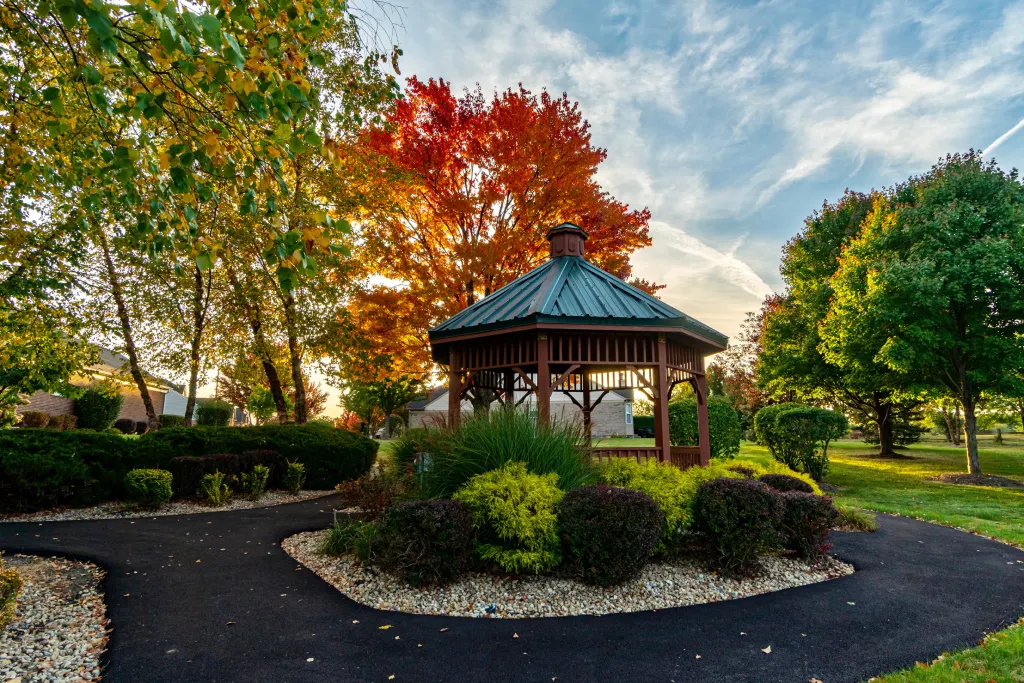
Swimming, paddling and fishing inside the city at Centennial Park, plus a full aquatic center next door.
Beacon Avenue in Old Orland runs on independent antique and gift shops, an unusual survival for a city this size.
The city runs a large recreation department — sportsplex, ice arena, cultural center and dozens of programs across the year.
The Palos and Tinley Creek preserves wrap the north and east, putting real trail systems minutes from most subdivisions.
Living here
Updated straight from the MLS. Filter by price, beds or neighborhood, and set an
alert so you hear about a new listing the morning it goes live.
Neighborhoods
Orland Park is large, and the historic core has almost nothing in common with the newer southwest. Here’s how we’d describe each pocket to someone who has never driven them.
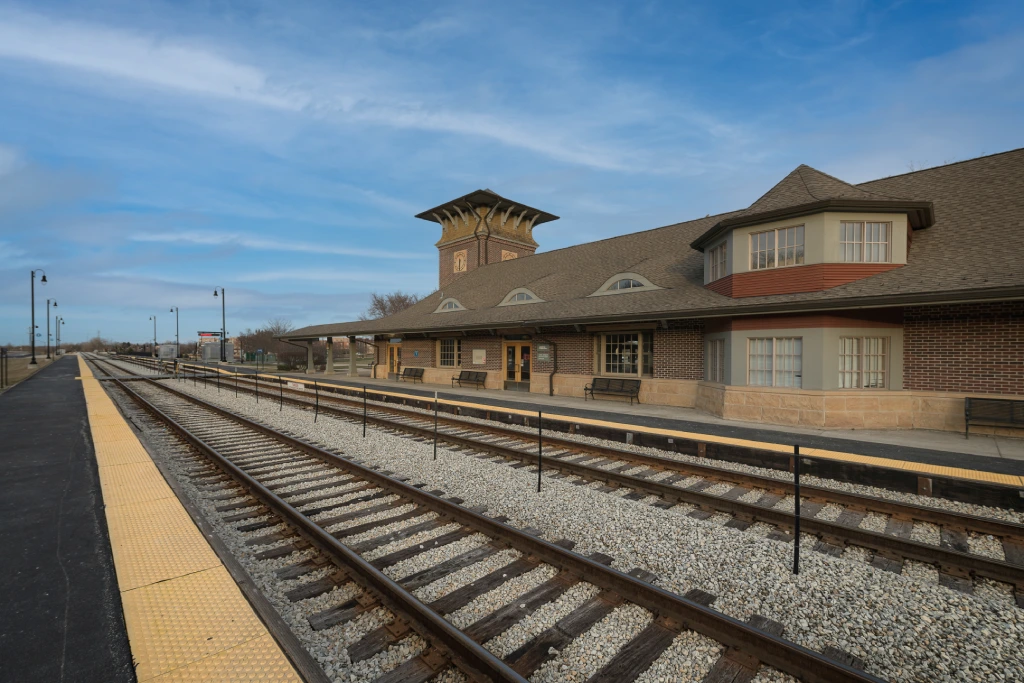
The historic core near the 143rd Street station. Frame houses from the 1890s, the antique district, and the only truly walkable part of the city.
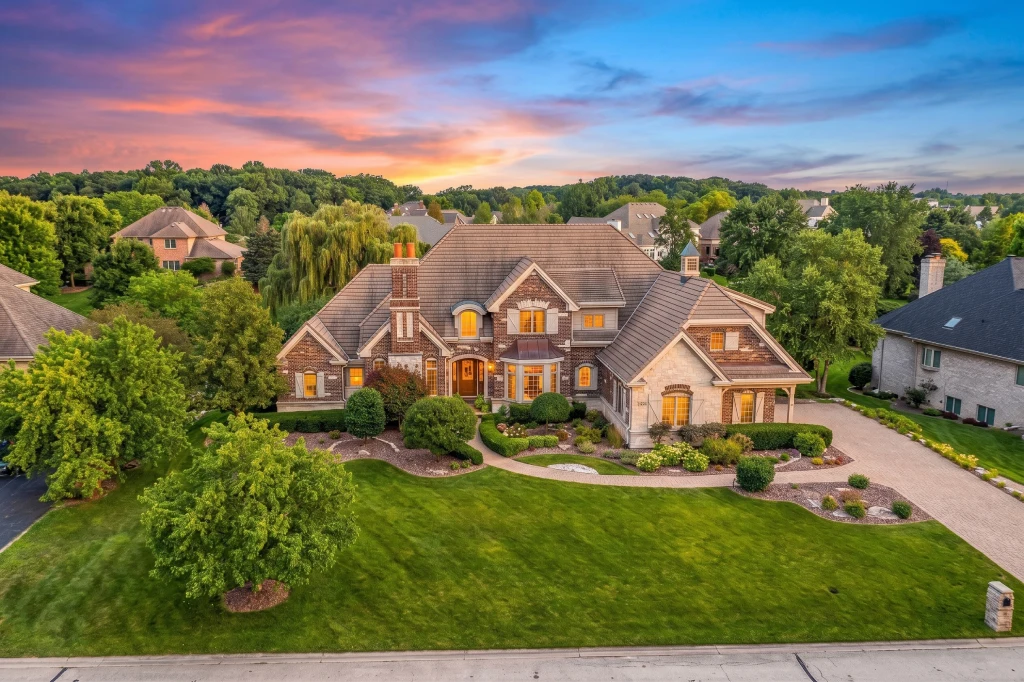
The gated golf community on the north side. Custom homes on large lots around the course, the highest price point in Orland Park.
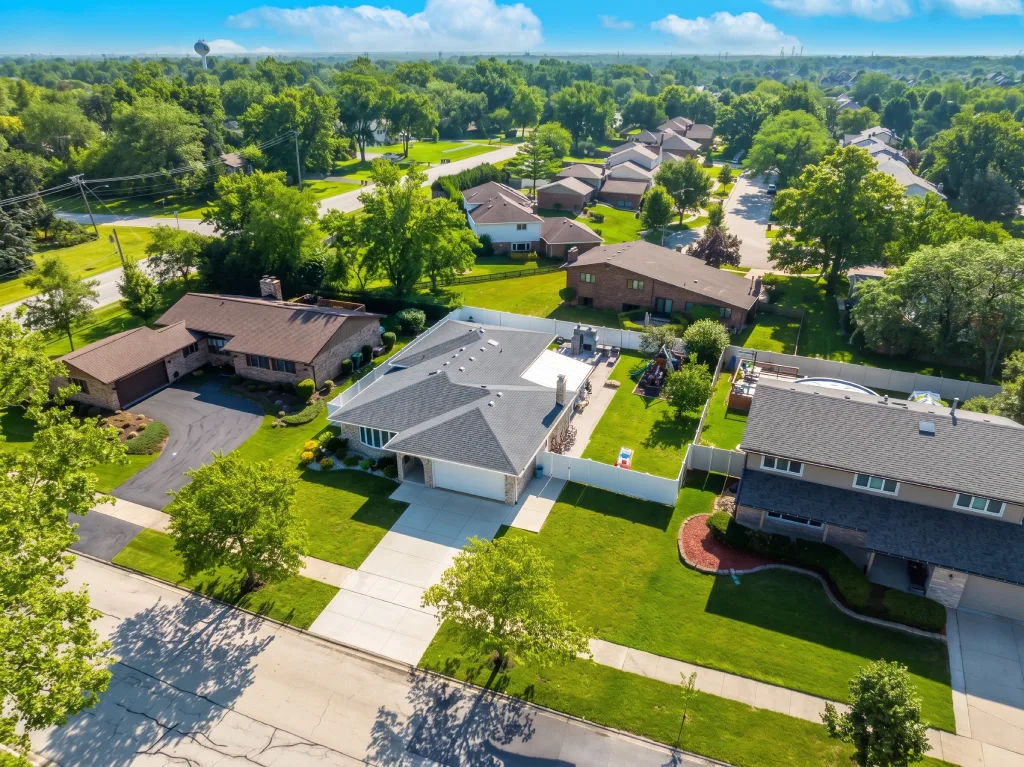
The neighborhoods around Centennial Park and 153rd Street. 1990s subdivisions, consistent streets, walk to the park and the train.
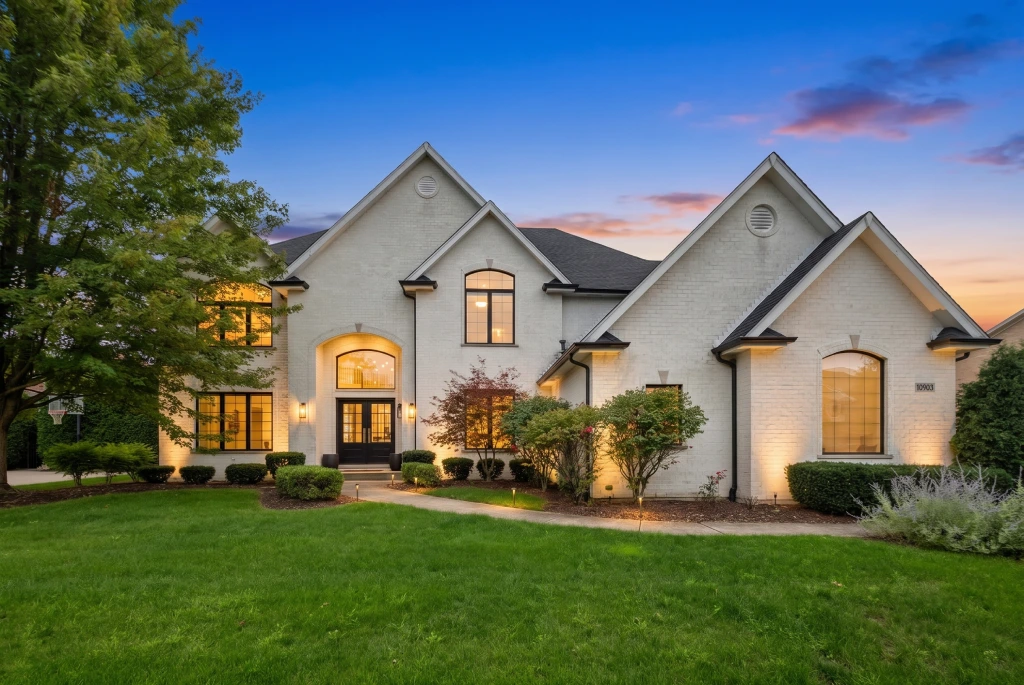
Below 159th toward the 179th Street station. The newest construction in the city, larger square footage, and the best value per foot.
Schools & commute
Three elementary districts carve up the city along lines that follow no obvious landmark, before everything feeds into one high school district. This is the question we field most often here. Send us an address.
School assignments and boundaries change. Confirm any attendance area directly with the district before you write an offer.
The main elementary district, serving much of the city through eighth grade.
Two additional elementary districts cover portions of the city — boundaries do not follow obvious lines.
Part of Consolidated High School District 230, serving much of Orland Park.
A three-school district — Sandburg, Stagg and Andrew — across the southwest suburbs.
Three stations in the city: 143rd Street, 153rd Street and 179th Street.
Common questions
The questions we field most from people looking at this city. Something missing? Ask us and we’ll add it.
Orland Park is split across District 135 and portions of Districts 140 and 146, and the boundaries genuinely do not follow obvious landmarks. This is the single most common question we get about the city. Send us an address and we will tell you before you get attached to the house.
Three stations sit in the city on the SouthWest Service line. That line runs a lighter schedule than the BNSF routes serving the western suburbs, so check the current timetable against your own hours. Many residents drive I-80 or LaGrange Road instead.
Old Orland is, and the neighborhoods around Centennial Park and the stations partly are. The rest of the city is built at suburban scale around arterial roads, and you will drive. If walkability is the priority, focus the search on Old Orland.
It is a different product entirely — 1890s frame houses on small lots, on the National Register, next to an antique district and a restored depot. Smaller and older than the subdivisions, with character the newer stock does not have and maintenance the newer stock does not require.
It is Cook County, so assessment works differently than in the neighboring DuPage and Will County towns, and the effective rate is meaningful. It also varies by school district within the city. We work from the actual tax bill on every property rather than an estimate.
Yes, concentrated in the southwest toward 179th Street, where land was available most recently. Elsewhere it is infill and teardown rebuilds. The newer subdivisions offer the most square footage per dollar in the city.
Almost opposites. Orland Park is larger, denser, with more retail, more recreation programming, three train stations and conventional subdivisions. Palos Park is small, wooded, large-lot and quiet, with far fewer services. Same general area, very different daily life.